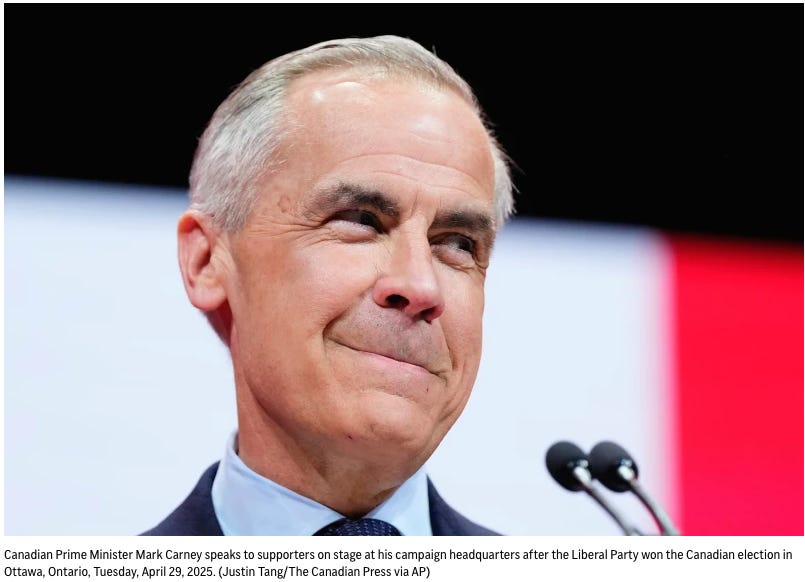
Canadians have a growing sense of buyer’s remorse about the Carney government. Indeed, they should. Earlier in the year, the Liberals’ sleight of hand helped them maintain power, despite voters having rejected them. The Liberals used U.S. President Donald Trump as an excuse for keeping themselves in government instead of the Conservatives. They claimed to have a better solution than Pierre Poilievre, a leader unprepared to deal with the American president and his threats to make Canada the 51st state. Although former prime minister Justin Trudeau had overseen the vulnerability of our economy and independence, Liberals in the party, in government, and across the country insisted that they remained the best defenders of Canadians’ interests in the shadow of the looming Trump administration. Their eyes had turned to Mark Carney, the former banker and business executive whom the party believed could save them from annihilation at the polls. Carney represented a return to serious leadership, hard work, and tough decisions, so they claimed. The era of playful government under Trudeau took a right turn, and Canadians should quickly forgive the Liberals for allowing the scion such a long reign.
Convinced that Carney held the secret recipe for dealing with Trump goes down in the annals of political gamesmanship next to Nixon’s secret plan to bring an honourable peace to Southeast Asia, Justin Trudeau’s promise to deliver electoral reform, or George H.W. Bush’s infamous read my lips: no new taxes pledge. Having earned a well-deserved timeout, the Liberals saw an opportunity to extend their lease in Ottawa. They were prepared to say anything, out-promise the Conservatives, and make the strongest pitch of all, proclaiming their devotion to Canada and unsurpassed patriotic commitment to stop the Trump Express. Sadly, they never had a workable plan. Carney has proven naïve and over-hyped, ill-prepared to lead the government in the House of Commons, delaying a badly needed budget, and constantly responding to Trump instead of creating a partnership. This comes as no surprise to those who follow Canadian politics. The mainstream media gleefully reported that Carney and the Liberals had surpassed the Conservatives. They said the public wanted a tough stance on Trump and that someone in Canadian politics would finally stand up to him.
Sadly, instead of focusing on the realities of what a Carney government would look like (Justin Trudeau 2.0), the story became Canada’s independence and how the Liberals under their new leader were the ones who could handle Trump. Many in the public fell for it, especially older people who have a latent distaste for America and think that Trump threatens their healthcare, pensions, or portfolios. Looking back at the period after Trump’s victory and subsequent inauguration, he left little doubt about his disdain for Trudeau. People will debate in political circles for years to come about how that translated into a vote for the discredited Liberal Party with a new leader. Just months out from the April election, Carney looks rudderless, unsure, and reactive. Again, no surprise. If he had a team of his own in mind, he has not shared it with Canadians. Instead, the old Trudeau cronies are running the show, still driving in the ditch, prescribing tired policies, hiding fiscal numbers, and avoiding transparency.
Carney’s Chief of Staff, Marc-André Blanchard, served in the Trudeau government, representing Trudeau’s foreign policy to the United Nations. David Lametti, a former justice minister and Trudeau holdover, is now the prime minister’s principal secretary. If anything speaks to rewarding mediocrity, Lametti’s influence over federal court appointments should underscore the pathetic state of our judicial system. The increase in violent crime, gang home invasions, and the release of repeat offenders demands outrage. Instead, those who brought us possibly the worst government in the history of the English-speaking peoples keep moving up. How about former immigration minister Sean Fraser? Here’s a minister who failed so spectacularly that he looked to exit politics until Carney revived his chances in his Nova Scotia riding. His reward for decimating our immigration department and creating problems that will plague the nation for years to come? Appointed minister of justice, he now oversees a department that has come under increasing scrutiny for good reason.
Thanks for reading David’s Substack! Subscribe for free to receive new posts and support my work.
Carney definitely leads differently from Trudeau and possesses an entirely distinct set of work ethics. As Mark Bourrie recently wrote in The Walrus (a progressive journal), “Carney’s office, instead, projects the corporate attitude of the boss. Staff show up in business suits. Carney doesn’t tolerate tardiness. Everyone needs to review their files and be ready to answer Carney’s questions. When he was governor of the Bank of England, staff learned it was better to admit to being unprepared than to try to bluff. ‘He could explode. It was better to say you don’t know and get the information to him later,’ one insider told the Times.” No one would criticize an improved work ethic in the PMO or decent standards of dress or punctuality. The same people who served in prominent roles under Trudeau continue in the Carney government. Whatever the leader would like to do, unless those surrounding him are on board, the challenges will mount, and the chances of his government reverting to its default increase.
Canadians are hearing a lot about Carney’s desire to bring change. Progressives fear Carney represents progressive conservative values more than liberal ones. Hard to say. He raises issues that need to be addressed, but is he just delaying making tough decisions? There will be a few signs ahead that will help Canadians better understand whether he plans to take on the entrenched leftists in his party or continue to pay lip service to policy changes he committed to in the campaign. His finance minister has instructed government agencies, including the CBC and Via Rail, to enforce 15 per cent cuts. No protection for the public broadcaster, and how does reducing Via’s budget affect the effort to increase mass transportation? Carney will face opposition in his party, and no more so than when he implements resource development, ends climate change initiatives like the EV Mandate, or takes on indigenous groups when they object to activity on their land or if they believe treaties are being broken.
Six months into his mandate, Carney can no longer rest on his words and reputation. He will be called to account in the weeks ahead. Parliament will return, and this time, Poilievre, a man more than capable of surgically attacking a sitting prime minister, will be ready to ask the questions on the minds of many Canadians. Will Carney swim against the tide of his party, his cabinet, and those entrenched in the bureaucracy? If he can make a deal with Trump, deliver on promises to develop our resources, change enforcement policies in the immigration system, and ensure judges committed to upholding the law get appointed, he may succeed. There are troubling signs ahead. Carney, well-liked and affable, may soon understand why Canada needed a reset after Trudeau. Carney’s face replaced the worn image of Trudeau, but it did not renew the government. After 10 years of progressive policies, Canada would have benefited from a Conservative renewal. This happened in 1980 when the well-worn government of Pierre Trudeau returned to office after a brief interim. By 1984, Canadians dashed to the polls to elect a long-overdue new government. Unless Carney bucks history, changes his party’s underpinnings, and pulls off another political heist, voters are likely to conclude that Canada deserves a fresh start.
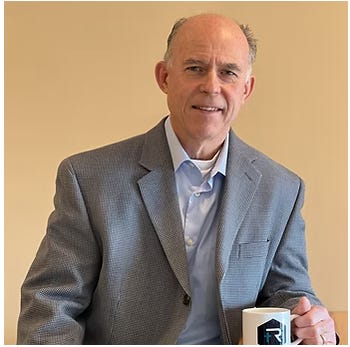
Dave Redekop is a retired elementary resource teacher who worked part-time at the St. Catharines Courthouse as a Registrar until being appointed Executive Director at Redeemer Bible Church in October 2023. He has worked on political campaigns since high school and attended university in South Carolina for five years, earning a Master’s in American History with a specialization in Civil Rights. Dave loves reading biographies.